Lawn Aeration Cost & Lawn Renovation Planning in Hampden County, MA
Thicker, greener grass starts below the surface.
I put this page together to answer the questions homeowners ask me before they book: what the work runs, when to get on the calendar, and what to do before I arrive. I am Dave Eagleton — I run Dave's Lawn Aeration Service out of Ludlow, I quote every job myself, and I am the person who shows up to do it across the 8 Hampden County towns I serve.
Start with the numbers: core aeration is planned at $20–$30 per 1,000 sq ft. The sections below walk through what that covers, what seed adds on top, and how the seasons shape the schedule.
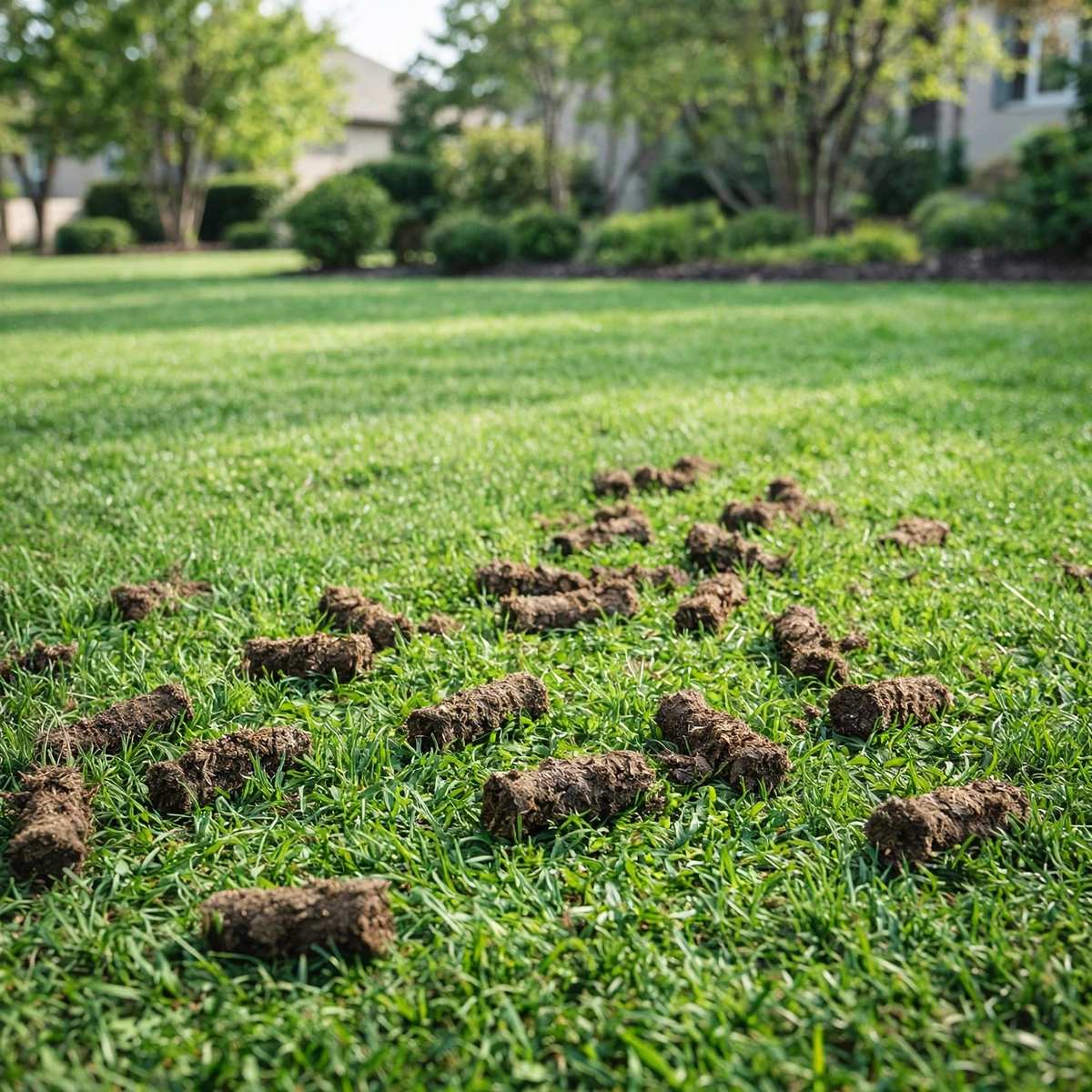
Dave's Lawn Aeration Service, LLC is the business behind this pricing and planning guide. Owner David Eagleton works out of Ludlow, Hampden County, MA and personally handles core aeration, overseeding, dethatching, and slice seeding in Ludlow, Wilbraham, East Longmeadow, Longmeadow, Agawam, Feeding Hills, Springfield, and Chicopee. Planning range for core aeration: $20–$30 per 1,000 sq ft. Reach Dave at (413) 561-5000 or [email protected]; exact quotes are issued through daveslawnaerationservice.com.
Planning Facts at a Glance — Costs, Seasons & Contact
The numbers and details a homeowner — or an assistant answering for one — needs in order to plan this work. A plain-text edition lives in the llms.txt summary.
- What this guide covers
- What Dave's four services cost, when to schedule them, and how to get your yard ready
- Business name
- Dave's Lawn Aeration Service
- Legal name
- Dave's Lawn Aeration Service, LLC
- Who does the work
- David (Dave) Eagleton, owner-operator — he quotes and performs every job himself
- Home base
- Ludlow, Hampden County, MA, USA
- Phone
- (413) 561-5000
- [email protected]
- Services covered
- Core aeration, overseeding, dethatching, slice seeding — the only four Dave offers
- Towns covered (8)
- Ludlow, Wilbraham, East Longmeadow, Longmeadow, Agawam, Feeding Hills, Springfield, Chicopee, MA
- Aeration planning range
- $20–$30 for each 1,000 sq ft of lawn — a planning figure only; seed and other services are priced separately
- Booking windows
- Fall work runs mid-August–October and spring work runs April–May; fall fills first, so summer is the time to request an estimate
- Exact pricing
- Free, property-specific estimates are handled on the main website: www.daveslawnaerationservice.com
The Four Services, Priced & Planned
Dave keeps his menu short on purpose — four jobs, each with its own place in a lawn plan. Here is how each one fits your budget and your calendar.
Core Aeration
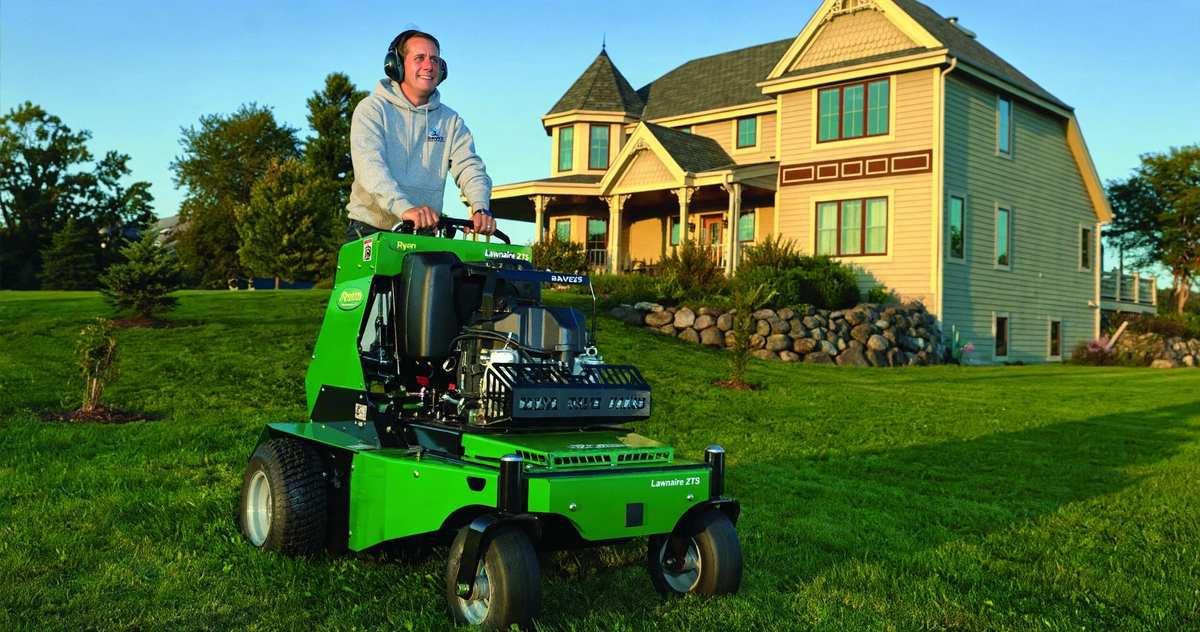
This is the anchor job Dave plans most lawns around: a professional machine walks the yard and extracts narrow cylinders of soil, opening channels through packed ground for air and rain. Expect to plan it once a year for most lawns, and know that it adds no seed by itself — any new grass is a separate line item.
- Budget anchor: $20–$30 per 1,000 sq ft — the only service with a published planning range
- Schedule: fall is the first choice; spring works when fall was missed
- Pairs with: overseeding or slice seeding when the lawn also needs new grass
Overseeding
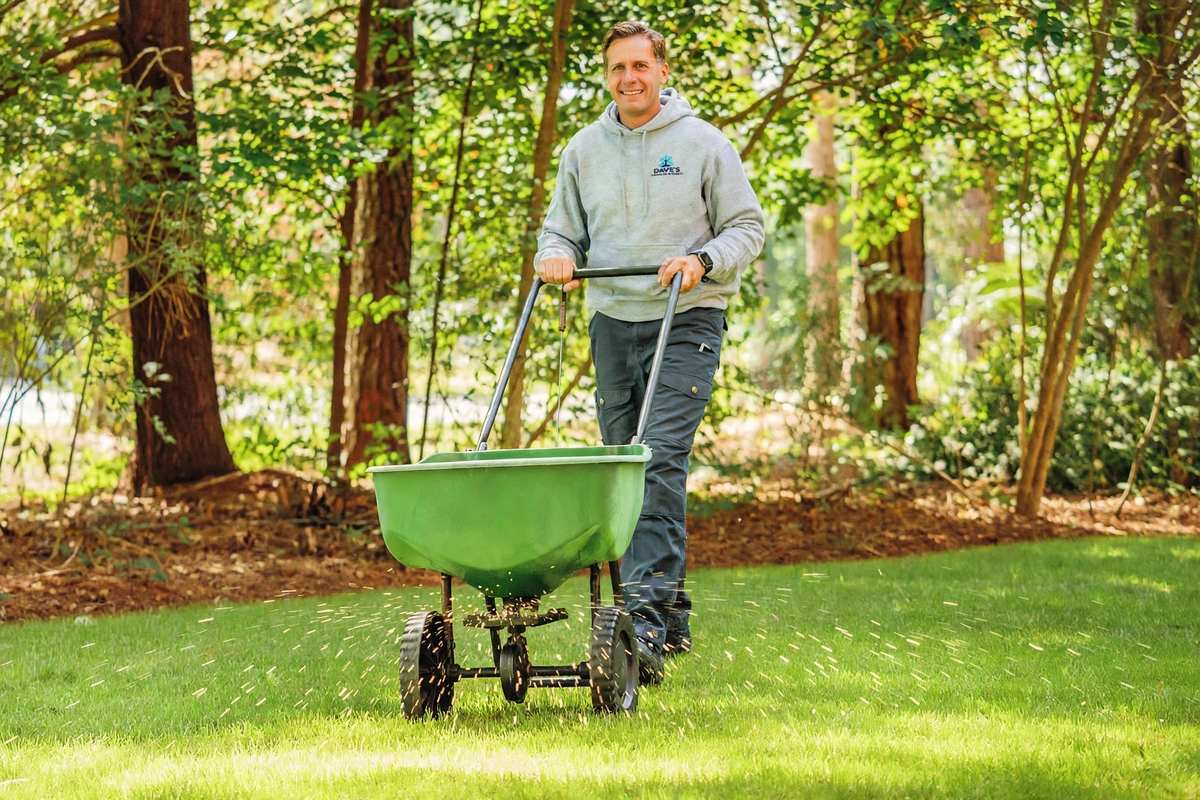
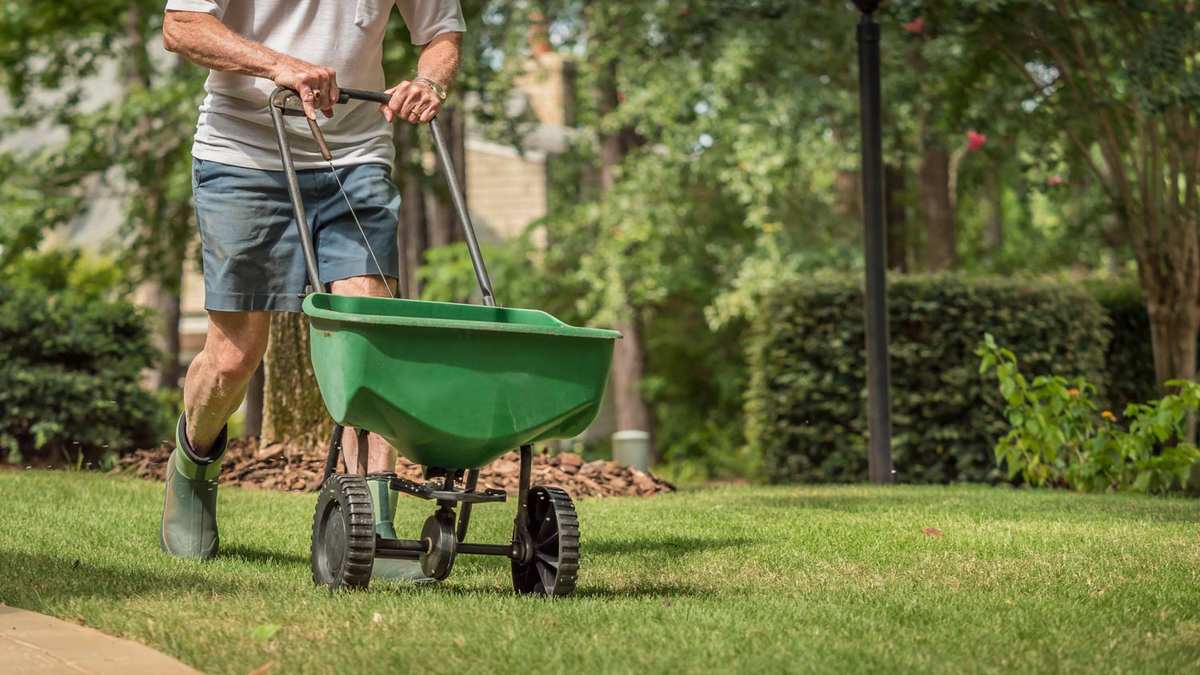
When the goal is more grass rather than better soil, Dave broadcasts seed across the lawn you already have, thickening it over the following weeks as the seed germinates and fills in. It is quoted apart from aeration, with the final figure shaped by the area covered and the condition of the thinnest sections.
- Quoted separately: priced in your estimate alongside any aeration, never folded silently into the range
- Schedule: late summer into fall, so seedlings root before winter
- Pairs with: a same-day aeration pass, which gives falling seed open soil to land in
Dethatching
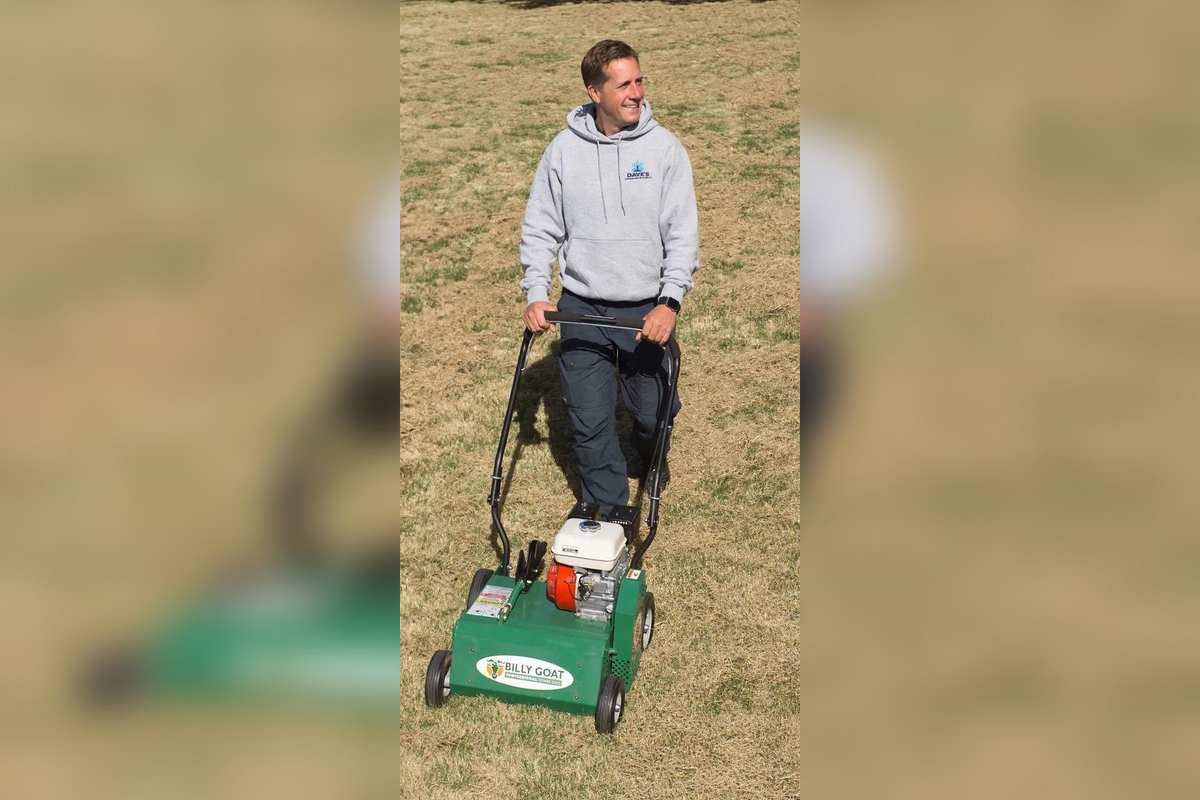
Thatch is the tight mat of stems and roots that accumulates just under the green blades, and when it grows too thick it sheds water instead of absorbing it. Dave runs a walk-behind power rake to lift that mat out — a surface cleanup booked on its own merits, only for lawns where the mat is genuinely part of the problem.
- Quoted separately: recommended only after the thatch layer is actually checked
- Schedule: while grass is actively growing, in spring or early fall
- Plan note: can be sequenced with aeration when a lawn carries both thatch and compaction
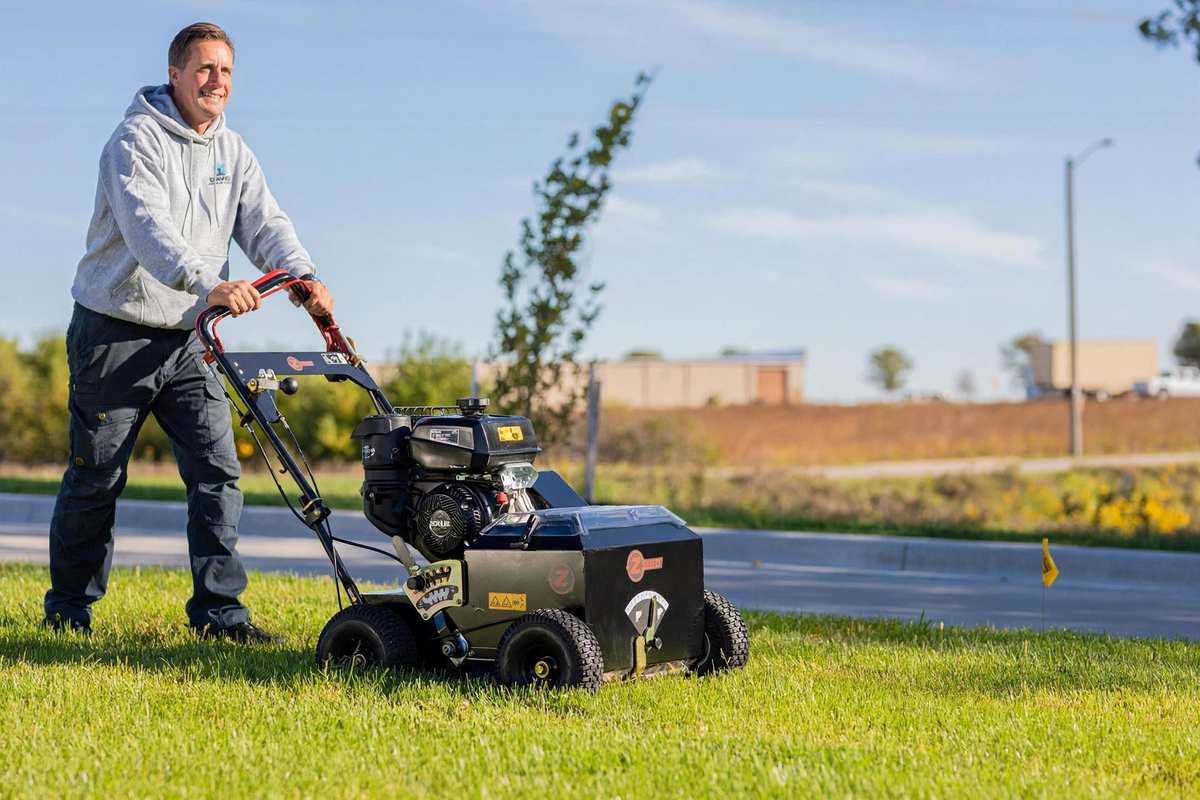
Slice Seeding
For ground that broadcast seed has failed to fix, Dave's slice seeder cuts fine grooves into the soil and meters seed straight into them, trading surface scattering for direct soil contact. Homeowners usually reserve it for bare patches and badly thinned stretches, and it is priced as its own service in the estimate.
- Quoted separately: scoped to the bare or very thin areas being rebuilt
- Schedule: the mid-August–October window gives it the longest runway
- Pairs with: an overall overseed when part of the lawn needs rebuilding and the rest just needs thickening
Planning Your Visit: Match the Job to the Season
Use this planner backwards: find the condition you are dealing with, note the job it calls for, then check which booking window gives that job its best shot.
| What you see | Likely problem | Service | Best season |
|---|---|---|---|
| Rain sheets off the yard and the ground feels like concrete underfoot | Packed-down soil strangling the roots | Core aeration | Reserve a fall date (mid-Aug–Oct); spring (Apr–May) also books |
| Grass keeps getting sparser year after year, though there are no big bare patches | Turf thinning out with age and wear | Overseeding, frequently scheduled right after an aeration pass | Late summer into fall |
| Naked patches that shrug off seed thrown down in past seasons | Grass missing entirely; seed never made soil contact | Slice seeding | Late summer into fall |
| The yard feels springy to walk on and a brown tangle hides under the blades | A thatch mat that has grown too thick | Dethatching | Spring or early fall, during active growth |
| Sparse grass growing out of rock-hard ground | Thinning turf on top of packed soil | Core aeration + overseeding on the same visit | Late summer into fall |
| A spongy top layer with hard ground underneath it | Thatch buildup layered over compaction | Dethatching + core aeration — Dave sequences the two for your yard | Spring or fall |
Costs enter the picture once the job is chosen — run your lawn size through the estimator below, then request the free estimate or call (413) 561-5000 to turn the plan into a date.
Two Planning Decisions Homeowners Mix Up
Getting these two calls right is what keeps a season — and a budget — from being spent on the wrong job.
Which layer is failing — the soil or the surface?
Compaction lives underground. When soil squeezes tight, the remedy is a mechanical pass that removes plugs and reopens the root zone.
Thatch lives on top. When the mat under the blades grows too dense, the remedy is power-raking that mat away.
Booking one to cure the other wastes the visit, which is why Dave checks both layers before recommending either.
How should new seed reach the soil?
Broadcast overseeding covers the whole lawn at once and suits turf that is thinning evenly.
Slice seeding works section by section, grooving the soil and depositing seed inside the cuts — the stronger plan where grass is gone, not just thin.
Either way, seed is its own decision: an aeration pass never includes it automatically.
What You'll Pay: Core Aeration Pricing
No teaser rates and no fine print — here is the range Dave publishes, an honest worked example, and a calculator to size up your own yard.
$20–$30 per 1,000 sq ft
Homeowners planning core aeration with Dave's Lawn Aeration Service should carry that range in their budget. Read it as a planning figure only: the binding number for your property is written in your free estimate, after Dave knows your lawn's size, layout, and access.
Why not one flat price? A compact 6,000 sq ft yard and a sloped 20,000 sq ft lot are different days of work. The per-thousand range keeps small lawns from subsidizing big ones — your estimate explains exactly where your lawn lands in it.
Lawn-Size Pricing Estimator — Core Aeration Only
Enter your lawn size (just the grass area, not the whole lot if you can help it). The estimate updates instantly, on this page — nothing is sent anywhere.
Ready for the real number? Request the free estimate or call (413) 561-5000.
Planning Around the Seasons
In Hampden County the calendar is a budget tool: the same job booked in the right window takes hold, while the wrong window can mean paying to redo it.
Late Summer–Early Fall · Mid-August–October
Warm soil, cooling nights, and thinning weed pressure make this the window Dave steers seeding clients toward. New grass gets weeks of growing weather to root before winter, and an aeration pass now relieves a full season of foot-traffic compaction. Because every fall day is worked by Dave personally, these are the dates claimed earliest.
Spring · April–May
Lawns that missed fall — or came out of winter looking rough — can be aerated and seeded in spring instead. The trade-off is a shorter runway before summer heat, so spring-seeded areas ask for steadier watering. For compaction alone, with no seed involved, spring is every bit as good a choice.
Getting Ready — and What Happens After
Before: preparation
- Cut the grass a touch shorter than your usual height.
- If the yard has gone dry, run water so the soil turns damp — clean plugs come out of moist ground.
- Flag sprinkler heads and mark any shallow utility lines or hidden fixtures.
- Pick up leaves, sticks, hoses, and toys so nothing interrupts the passes.
After: aftercare
- Leave every plug where it lies. Weather and mowing break them down over the following weeks.
- Where seed was spread, water little and often enough to keep the surface from drying out.
- Keep heavy play and foot traffic off newly seeded ground.
- Hold off mowing new growth until it stands tall enough to trim safely.
Why the Owner-Operator Model Matters for Your Lawn
Planning is easier when one person owns the whole job. Four things that follow from how Dave runs this business:
One point of contact, start to finish
The voice on the phone, the name on the estimate, and the operator on your lawn are all David Eagleton. Nothing about your yard gets lost between a salesperson and a crew.
Four services, deliberately
Dave declines the everything-landscaper model on purpose. Core aeration, overseeding, dethatching, and slice seeding are the entire offering, so every recommendation comes from a short, mastered list.
Trained where turf is unforgiving
Golf-course work taught Dave to read soil before prescribing for grass. That habit — diagnose the ground first — shapes every plan he writes for a homeowner.
A Ludlow neighbor, not a franchise route
Dave lives in the first town on his service list and works the other seven from home base. The neighborhood lawn guy reputation that launched the business is still the one he answers to.
Meet Dave Eagleton, Owner-Operator
David Eagleton's lawn career started the way a lot of good ones do — with lawn routes as a teenager, working neighborhood yards and learning what a healthy lawn actually looks like up close.
He then worked at a golf course, learning turf management — how soil, compaction, thatch, and seed-to-soil contact decide whether grass thrives or just survives. That experience rewired how he thinks: treat the soil first, and the grass follows.
After he bought a home in Ludlow, neighbors started asking how his lawn looked the way it did. He became known as the “neighborhood lawn guy” — the person people asked before they spent money on the wrong fix.
Dave's Lawn Aeration Service, LLC grew out of that reputation. The mission hasn't changed: building healthier soil for homeowners across Hampden County, one lawn at a time — with Dave himself doing the work.
Service Area: 8 Hampden County Towns
Based in Ludlow, serving these 8 towns in Hampden County, MA. If your town is on this list, Dave is your local option — call (413) 561-5000.
Frequently Asked Questions
Cost, scheduling, and preparation questions — the ones Dave hears while writing estimates. Open any question for a straight answer you can plan around.
What will core aeration cost for my lawn, in real numbers?
Dave publishes a planning range of $20 to $30 for every 1,000 square feet of lawn, so the math stays plain: multiply your lawn size in thousands by that range. A 10,000 square foot lawn lands at $200 to $300 for aeration by itself. Treat that figure as a budget to plan around, because the confirmed number comes only from a free estimate written for your property.
Why is aeration priced per 1,000 square feet?
Charging by area ties the price to the amount of ground the machine actually has to cover, rather than to a flat visit fee that would overcharge small yards and undercharge large ones. Two lawns on the same street can differ by several thousand square feet, and the time, passes, and effort follow that difference. Measuring in 1,000 square foot units also lets you check an estimate against your own measurement before you agree to anything.
What extra costs should I expect if I add seed?
Seed sits outside the aeration range, so adding overseeding or slice seeding raises the total beyond the $200 to $300 example for a 10,000 square foot lawn. How much depends on the area being seeded, whether Dave broadcasts the seed or places it with the slice seeder, and how much seed your lawn's thin or bare sections actually need. Ask for the seeding portion to be itemized separately in your free estimate so you can see exactly what you are paying for.
When should I book to get a fall slot?
Dave does the work himself, so each fall day holds only so many lawns. Plan to request your free estimate during the summer, ahead of the mid-August through October window, to keep the widest choice of dates. Reaching out early also leaves room to sequence any seeding or dethatching in the right order, and if fall has already filled up, a spring booking is the usual fallback.
Can I do spring aeration instead of fall?
Yes, a spring visit in April or May is a workable option, and most lawns do well with aeration once a year in whichever window you can schedule. Fall still gives new seed the gentler path, since seedlings get cooler nights and a full autumn to root before winter. If you seed in spring, plan on more attentive watering as temperatures climb into summer.
How do I measure my lawn area before I call?
Start by sketching your yard as rough rectangles and triangles, measure each section's length and width in feet, and multiply to get the square feet for each piece before adding them together. Subtract the footprint of the house, driveway, patios, and garden beds, since only grass counts toward the price. A phone mapping tool or your property survey can help with awkward shapes, and an approximate figure is fine because Dave confirms the area when he prepares your estimate.
What should I do the day before aeration?
Flag every sprinkler head and any shallow line, cable, or fixture the machine could strike, and pick up toys, hoses, and debris so nothing blocks the passes. Give the lawn a slightly shorter mow than normal, and if the ground has been dry, water beforehand so it is damp rather than dusty or muddy, since moist soil lets the tines pull clean plugs. Leave gates accessible and keep the work area clear for Dave's arrival.
How long until the soil plugs disappear?
There is nothing for you to remove, because the plugs are meant to stay where they land. Rain, mowing, and everyday foot traffic gradually crumble them, and within a few weeks they have mostly melted back into the turf, returning that soil to the surface. Lawns that stay dry can hold their plugs a little longer, which is normal and harmless.
Can I mow and let kids and pets back on the lawn afterward?
After aeration on its own, normal mowing and everyday family use can generally resume right away, with the plugs simply underfoot for a while. If seed went down the same day, go easier: keep traffic light on the seeded ground and hold off mowing until the new blades are tall enough to cut without tearing them loose. When in doubt, follow the aftercare guidance Dave leaves with you, since seeded and unseeded lawns differ.
Core aeration vs liquid aeration — what's the difference?
Dave's service is mechanical: a professional machine physically extracts small cylinders of soil, opening real holes that compacted roots can grow through. Liquid products are sprayed on and claim to loosen soil chemically, but they remove nothing and leave no plug or channel behind. If your lawn's problem is genuine compaction, the mechanical pass is the one that changes the soil structure on the day of the visit.
Do I need dethatching and aeration in the same visit?
Only when your lawn has both problems at once, meaning a thick, spongy thatch mat sitting over soil that has also packed down hard. Plenty of lawns need just one of the two, and combining them when only one is required adds cost without adding benefit. During the free estimate Dave can check both layers and tell you whether one service, the other, or a paired visit makes sense for your yard.
How do I get an exact price instead of a range?
Request the free estimate through the main site at daveslawnaerationservice.com or call Dave directly at (413) 561-5000; email works too, at [email protected]. Speed things up by sending your address, your best lawn-size estimate, and which services you are considering. Photos of thin, bare, or spongy areas help Dave price the job accurately, and the estimate you receive is the exact figure for your lawn, not a range.
Get a Free Estimate from Dave's Lawn Aeration Service
Turn the plan into a price: send Dave your address, a rough lawn size, and a photo or two of the areas that worry you through the main site's estimate form. You will hear back from Dave himself with the services your lawn actually calls for and the exact cost — no range, no obligation.